
English| EUR
Suggested for you
More currencies
Choose a language
Stellwagen Bank National Marine Sanctuary sits 25 miles off Cape Cod, a shallow glacial plateau where cold nutrient-rich currents meet the Gulf Stream and create one of the Atlantic's most productive feeding grounds. The question isn't whether whales will appear, but when the density of sand lance, krill, and herring pulls the largest concentrations of humpbacks, finbacks, and minkes into range of tour operators departing Provincetown harbor.
Quick answer
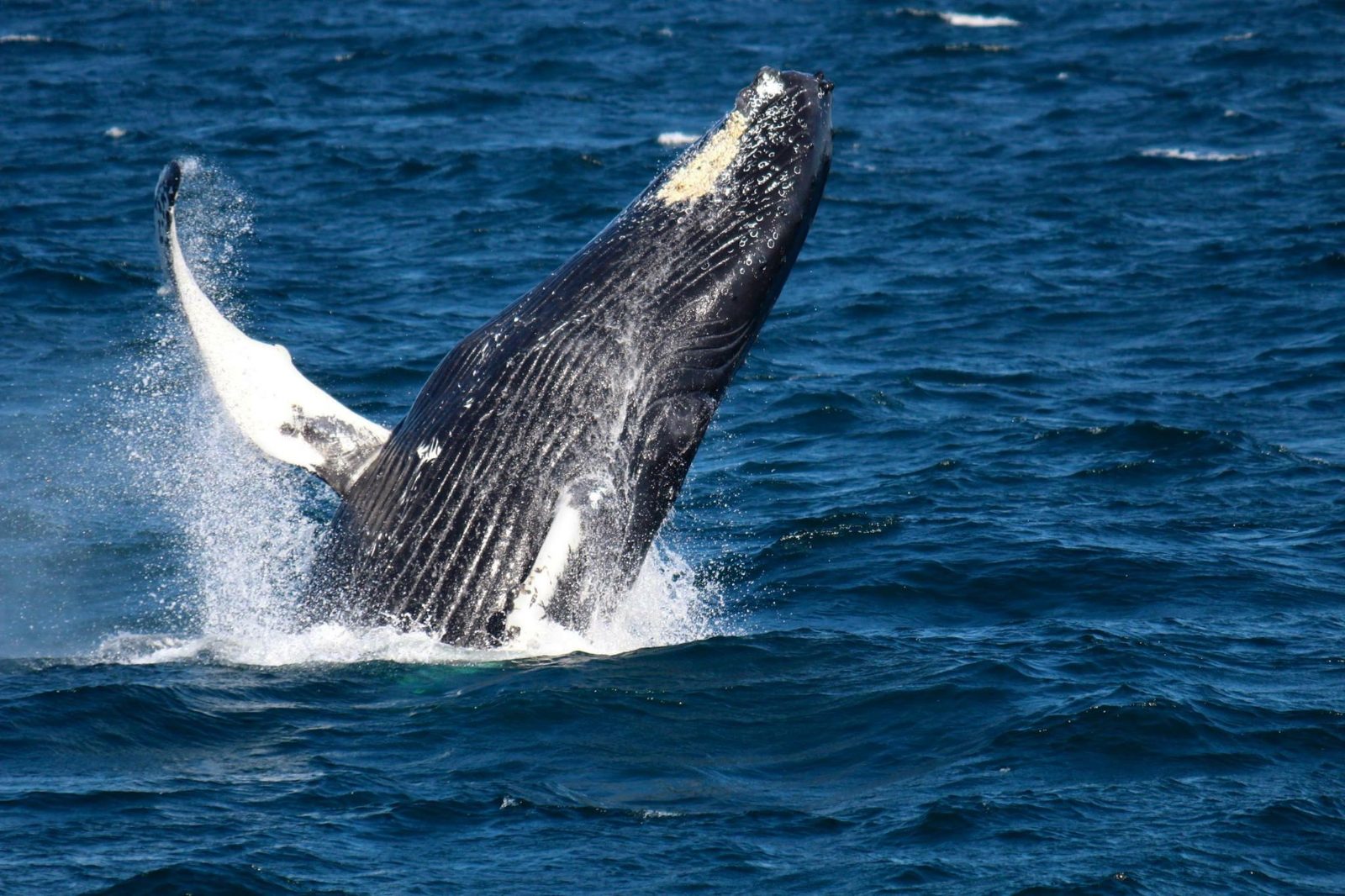
The best time of year for whale watching in Provincetown runs from mid-April through late October, with peak sightings concentrated between May and September. Humpback whales arrive as water temperatures rise above 50°F and baitfish schools thicken over Stellwagen's shallow banks. July and August offer the highest encounter rates, though September brings calmer seas and fewer crowds. Tours operate daily throughout the season, departing multiple times between morning and mid-afternoon.
Humpback whales return to Stellwagen Bank each spring following the northward migration of sand lance and Atlantic herring, the forage fish that sustain them through the feeding season. By late April, water temperatures climb past the threshold that triggers plankton blooms, and within two weeks the first whales appear on hydrophone arrays maintained by sanctuary researchers. Tour operators launch their seasonal schedules in mid-April, though early spring crossings can be rough and sightings less predictable until May. May marks the beginning of reliable whale activity. Cow-calf pairs arrive from Caribbean breeding grounds, and juvenile humpbacks that spent winter farther south begin concentrating over the Bank's most productive patches. Surface feeding becomes common as baitfish schools tighten near the thermocline, the boundary layer where cold bottom water meets warmer surface currents. Naturalists aboard research vessels document bubble-net feeding, lunge feeding, and tail slaps with increasing frequency as the month progresses. By Memorial Day, sighting rates on commercial tours exceed 95 percent. Summer delivers the densest whale populations. July and August bring peak biomass, with as many as 200 individual humpbacks cataloged over Stellwagen during monthly aerial surveys. Fin whales, the second-largest animals on Earth, patrol the deeper channels along the sanctuary's eastern edge. Minke whales work the shallower southern shoals. Sea conditions calm, fog softens, and the long daylight window allows tours to run morning through late afternoon. Whale watching Provincetown best time of year discussions often center on these two months, though the tradeoff is crowded boats and higher demand for reservations. September and early October extend the season with advantages that offset shorter days. Water temperatures remain warm enough to hold baitfish through the autumn equinox, and whales linger to build blubber reserves before the southward migration begins. Seas flatten as tropical storm season wanes, and tour boats encounter less chop on the 90-minute crossing to the Bank. By mid-October, feeding activity drops and sightings grow sporadic. The last tours of the year depart in late October, timed to the final pulse of southbound migration as humpbacks leave New England waters for the Caribbean. Understanding the seasonal rhythm of Stellwagen's ecosystem clarifies why timing matters. The sanctuary remains open year-round, but the whales follow food, and the food follows water temperature, photoperiod, and current patterns that shift predictably across the calendar. Choosing when to visit Provincetown for whale watching means aligning your trip with the months when those variables converge.
“By Memorial Day, sighting rates on commercial tours exceed 95 percent.”
Stellwagen Bank National Marine Sanctuary remains accessible 24 hours a day as an open ocean area. Public access for whale watching is dictated by specific tour operator schedules.
While the sanctuary area is accessible at all times, tours typically operate from April through October.
Whale watching vessels depart from MacMillan Pier in the heart of Provincetown Harbor. The pier is centrally located and accessible by road or ferry from the mainland.
Route 6 East to Provincetown
Plymouth & Brockton line to Provincetown Chamber of Commerce
Bay State Cruise Company or Boston Harbor City Cruises from Boston to MacMillan Pier
Parking in Provincetown is limited, so utilize public parking lots on the outskirts of town or arrive early to secure a spot near the pier. Check your specific tour operator's instructions for exact boarding locations on MacMillan Pier.
Pack these essentials to stay comfortable during your offshore whale-watching excursion.
Everything you need to know about whale watching provincetown best time of year
The whale watching provincetown best time of year typically falls between April and October when migratory species frequent the sanctuary. During these months, nutrient-rich waters attract humpback, finback, and minke whales.
Tours operate from April through October to coincide with the presence of marine mammals in the sanctuary. Outside of this window, vessels generally do not run due to seasonal migration patterns.
Stellwagen Bank National Marine Sanctuary is an open ocean area and requires 0 USD for entry. Visitors only need to arrange transport via a local tour provider to reach these protected waters.
Whale activity is constant, meaning any time within the operating window is suitable for a visit. The best arrival window for your departure is 00:00–23:59 as vessels are scheduled based on optimal marine conditions.
While the whale watching provincetown best time of year is limited to the spring and fall seasons, the sanctuary remains an ecological site year-round. Outside the primary tour season, few commercial operators provide access to the offshore environment.
The sanctuary is located offshore between Cape Ann and Cape Cod, MA. Most visitors access the area by booking a departure from Provincetown harbor, which serves as the primary gateway to these marine habitats.